Unlocking Hidden Value: How to Use Qantas Points for Premium Cabin Upgrades on Partner Airlines
Frequent flyers often dream of sipping champagne at 35,000 feet, but the cost of business and first-class tickets can be prohibitive. However, there’s a secret weapon that savvy travelers use: leveraging Qantas Points to upgrade on partner airlines. While many know about using points for Qantas-operated flights, the real magic happens when you tap into the Oneworld alliance and other partners. This guide will walk you through the step-by-step process of using Qantas Points for premium cabin upgrades on partner airlines, revealing sweet spots, maximizing value, and navigating the complexities of availability.
Why Upgrade with Qantas Points on Partner Airlines?
Qantas Points are among the most versatile loyalty currencies, especially for upgrades. While you can use them on Qantas flights, partner airlines often offer more availability, better hard products, and lower surcharges. For example, upgrading on Japan Airlines (JAL) or Cathay Pacific can provide a superior experience compared to some Qantas routes. Moreover, the points required for upgrades on partners can be significantly lower than booking an award ticket outright.
The Basics of Qantas Upgrade Awards
Before diving into partner-specific strategies, understand the fundamentals. Qantas Points can be used to upgrade from a paid economy or premium economy ticket to the next cabin class (e.g., economy to premium economy, or premium economy to business). Upgrades are not available from discount economy fares on all airlines, and each partner has its own rules. Generally, you need to have a confirmed ticket in an eligible fare class, and upgrades are subject to availability.
Qantas uses a zone-based award chart for partner upgrades, with points calculated based on distance and cabin. The chart is not publicly available for all partners, but you can find details on the Qantas website for specific airlines. As of 2024, Qantas has simplified some partner upgrade tables, but it’s essential to check the latest information.
Step 1: Choose the Right Partner and Route
Not all partner airlines are created equal when it comes to upgrades. Some offer better availability, lower surcharges, or more luxurious cabins. Here’s a breakdown of top partners for Qantas Point upgrades.
Oneworld Alliance Partners
As a founding member of Oneworld, Qantas has strong ties with airlines like British Airways, Cathay Pacific, Japan Airlines, and American Airlines. Upgrades on these carriers are often straightforward, though each has nuances.
- Cathay Pacific: Known for its excellent business class, Cathay Pacific allows upgrades from premium economy (W, R, E classes) to business using Qantas Points. Availability can be good if you book early, especially on routes like Hong Kong to Sydney or London. The points required are competitive: for example, Hong Kong to Sydney in business from premium economy costs around 25,000 Qantas Points one-way.
- Japan Airlines (JAL): JAL’s business and first class are highly regarded. Upgrades are possible from eligible economy or premium economy fares. JAL often releases upgrade seats closer to departure, so flexibility is key. A Sydney to Tokyo upgrade from premium economy to business might cost 30,000 points.
- British Airways: Upgrading on BA can be tricky due to high carrier surcharges, but if you’ve paid a premium economy fare, using points to move to Club World (business) can be worthwhile on long-haul routes. Watch out for fuel surcharges, which can add hundreds of dollars.
- American Airlines: Upgrades on AA are possible from certain fare classes, but availability is often limited to elite members first. However, transcontinental routes like Los Angeles to New York offer a chance to experience lie-flat seats for fewer points.
Non-Oneworld Partners with Upgrade Options
Qantas partners with several airlines outside Oneworld, including Emirates, China Eastern, and Air France/KLM (Flying Blue). Emirates is a standout: you can upgrade from a paid Economy Saver or Flex ticket to business class using Qantas Points. The experience on Emirates A380 business class, with its bar and lounge, is iconic. For example, a Melbourne to Dubai upgrade from economy to business might require 45,000 points one-way.

Step 2: Check Eligibility and Fare Classes
Before you book a ticket with the intention of upgrading, you must ensure it’s in an eligible fare class. Each airline has specific booking classes that allow upgrades. Here’s a quick reference for popular partners:
1、 Cathay Pacific · Upgrade From: Premium Economy · Upgrade To: Business · Eligible Fare Classes (From): W, R, E 2、 Japan Airlines · Upgrade From: Economy · Upgrade To: Premium Economy · Eligible Fare Classes (From): Y, B, H, K, M, L, V, S, O, G, Q 3、 Japan Airlines · Upgrade From: Premium Economy · Upgrade To: Business · Eligible Fare Classes (From): W, R, E 4、 Emirates · Upgrade From: Economy · Upgrade To: Business · Eligible Fare Classes (From): Saver, Flex, Flex Plus (check specific) 5、 British Airways · Upgrade From: Premium Economy · Upgrade To: Business · Eligible Fare Classes (From): W, R, E, T 6、 American Airlines · Upgrade From: Economy · Upgrade To: Business · Eligible Fare Classes (From): Y, B, H, K, M, L, W, V, G, Q, N, S
Always verify on the Qantas website or contact the Frequent Flyer service centre before booking. The fare class is usually displayed during the booking process on the airline’s site or can be found in the fare rules.
Step 3: Find Upgrade Availability
Availability is the biggest hurdle. Airlines allocate a limited number of seats for upgrades, often releasing them at specific times. Here’s how to search:
- Qantas Website: Log in to your Frequent Flyer account, go to “Use Points” > “Classic Upgrade Rewards”, and enter your booking details. If availability exists, you’ll see the points required.
- ExpertFlyer: This subscription service allows you to search for upgrade and award space across many airlines. Set alerts for when seats become available.
- Airline Websites: Some partners, like Cathay Pacific, show upgrade availability if you manage a booking and select the upgrade option.
- Call Qantas: Sometimes phone agents can see space that isn’t displayed online, especially for partners like Emirates.
Pro tip: Upgrade seats often appear when the airline releases unsold premium cabin inventory, typically 1-2 weeks before departure, but can be earlier. For popular routes, book as early as possible.
Step 4: Request the Upgrade
Once you’ve confirmed availability and have an eligible ticket, request the upgrade. This can be done online via the Qantas website (for select partners) or by calling the Frequent Flyer service centre. You’ll need your booking reference and frequent flyer number. Points are deducted upon confirmation, and any additional taxes or surcharges will be charged.
Note: If you’re upgrading on a partner airline, you may need to pay a co-payment or additional carrier charges. For example, British Airways upgrades often incur high fees, while Cathay Pacific’s are minimal.
Maximizing Value: Sweet Spots and Strategies
To get the most out of your Qantas Points, target routes and airlines where the points required are low relative to the cash price of the premium cabin.
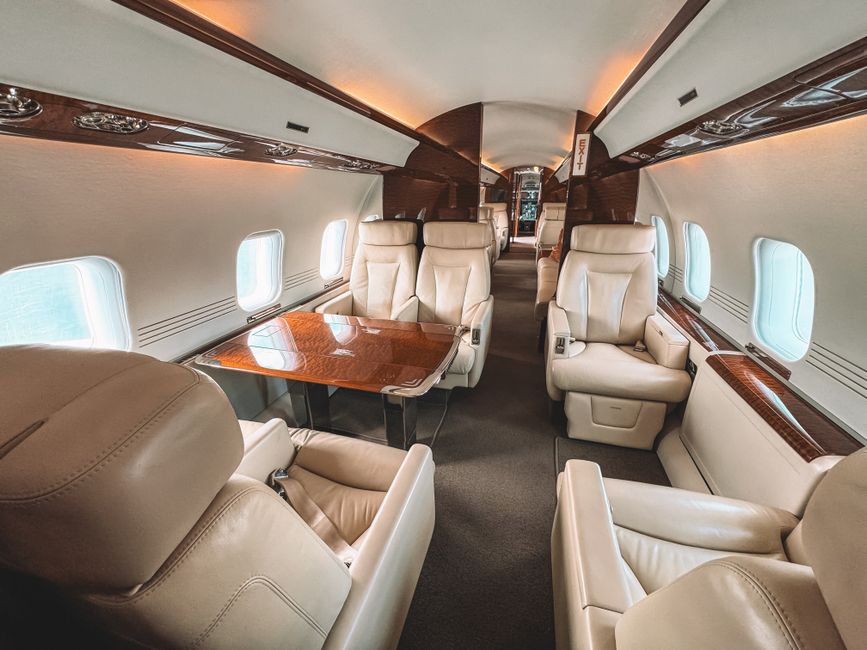
Short-Haul Upgrades for Few Points
Qantas Points can be used for short-haul upgrades on partners like American Airlines or Japan Airlines domestic flights. For instance, upgrading from economy to business on a JAL domestic flight from Tokyo to Osaka might cost just 5,000 points. While the flight is short, you’ll enjoy lounge access and a more comfortable seat.
Transpacific Sweet Spots
Routes between Australia and the US via Asia can be excellent value. For example, Sydney to Los Angeles via Tokyo on JAL: upgrade from premium economy to business for around 40,000 points one-way. The JAL Sky Suite is a top-tier product, and you’ll avoid the high surcharges of Qantas’ own flights.
Emirates A380 Upgrades
Emirates offers a unique opportunity. Upgrading from a paid economy ticket to business on the A380 from Sydney to Dubai can be a redemption sweet spot. While the points required are higher (around 50,000-60,000 one-way), the experience is world-class. Additionally, Emirates occasionally runs upgrade promotions for Qantas Frequent Flyer members.
Use Points for Upgrades, Not Full Awards
Often, upgrading a paid ticket requires fewer points than booking an outright award ticket, especially when you factor in the miles earned on the paid portion. Plus, you’ll earn status credits on the original fare class, helping you maintain or achieve elite status.
Step 5: Manage Your Upgrade
After requesting, you can track the status in your Qantas account. If the upgrade doesn’t clear immediately, you may be waitlisted. Waitlisted upgrades are processed based on frequent flyer status (Platinum, Gold, etc.) and then time of request. If it doesn’t clear by check-in, you can ask at the airport, but it’s not guaranteed.
If your plans change, you can cancel the upgrade and redeposit the points, though a cancellation fee may apply depending on the ticket type.
Common Pitfalls and How to Avoid Them
- Ineligible Fare Classes: Always double-check that your ticket is upgradeable before purchase. Discount economy fares are often excluded.
- High Surcharges: On airlines like British Airways, fuel surcharges can make an upgrade poor value. Calculate the total cost (points + cash) versus buying the premium ticket outright.
- No Upgrade Space: Don’t assume availability will open up. Have a backup plan or be willing to fly in your booked cabin.
- Partner Restrictions: Some partners only allow upgrades on flights operated by the airline, not codeshares. Ensure your flight has the partner’s flight number.
Real-World Examples
Example 1: Sydney to Hong Kong on Cathay Pacific
You book a premium economy ticket (fare class W) for $1,200 AUD one-way. Using 25,000 Qantas Points, you upgrade to business class. The business class fare would have cost $3,500, giving you a value of 9.2 cents per point ($2,300 savings / 25,000 points).
Example 2: Melbourne to Tokyo on JAL
You purchase an economy ticket (fare class Y) for $900 AUD. Upgrade to premium economy for 15,000 points, then to business for an additional 25,000 points (total 40,000 points). Business class retails for $4,000, yielding 7.75 cents per point.

Advanced Tips for Elite Members
Qantas elite members (Silver, Gold, Platinum, Platinum One) receive priority for upgrades. Platinum members have a higher chance of clearing waitlisted upgrades. Additionally, elites can sometimes request upgrades using points on fares that are otherwise ineligible, though this is rare.
Consider using a Qantas Points-earning credit card to accumulate points faster. Cards like the Qantas Premier Platinum or Americ